GBP/USD Slides to Four-Week Low as Fed Minutes Bolster the Dollar and BoE Cut Odds Rise
GBP/USD pressured by stronger US dollar and BoE easing bets
GBP/USD is trading near 1.3500 — its lowest level in roughly four weeks — as a revived hawkish tone in the January FOMC minutes and a stronger US Dollar (DXY holding above ~97.50–97.80; see DXY highs) have created a headwind for the pound. At the same time, UK inflation and labour metrics have softened, leaving markets to price an increased probability of Bank of England easing in the near term.
Key macro drivers to watch
US Fed minutes leaned hawkish and several Fed participants signalled that upward adjustments could be appropriate if inflation fails to cool, supporting the dollar. The calendar on Thursday includes multiple Fed speeches and the Initial Jobless Claims print — any surprise on the labour front could amplify dollar moves (see ahead of NFP). On the UK side, headline CPI eased to 3.0% YoY in January and private-sector regular wage growth slowed to 3.4%, while the BoE held rates at 3.75%; futures now imply a substantial chance of a March/April cut. Near-term UK catalysts include Retail Sales (Jan) and the flash S&P Global PMI for February, which could quickly change the GBP narrative if prints surprise.
Technical picture and levels
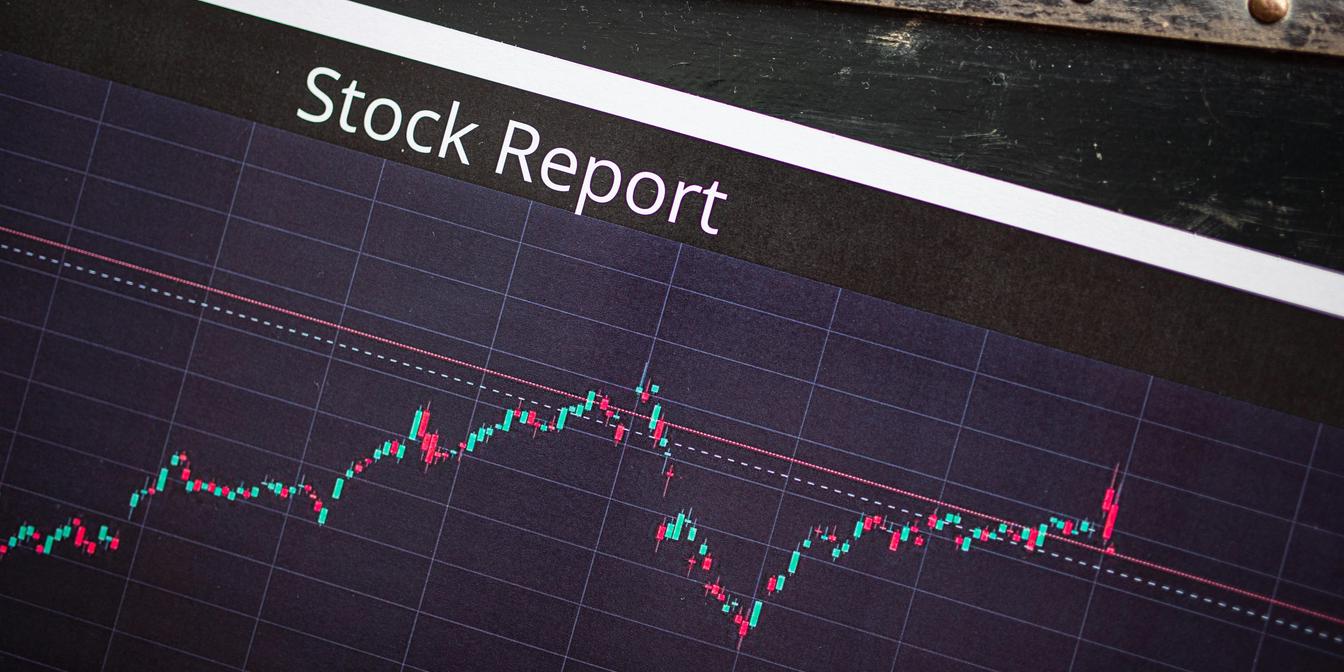
Technically, GBP/USD has broken down from a Symmetrical Triangle / Volatility Contraction Pattern (VCP) and is trading below the 20-period EMA (around 1.3557) with a 14-period RSI near ~33.7, indicating limited oversold cushion. Immediate support sits at the recent Tuesday low near 1.3500, with a deeper support band around the January 22 low near ~1.3400. A reclaim of the 20‑EMA would be an early sign of short-term recovery and could trigger short-covering; failure to hold 1.3500 may extend the decline toward the ~1.3400 area.
Trading implications and scenarios
Traders should prepare for two clear scenarios. In a USD-driven continuation (hawkish US data or risk‑off headlines), GBP/USD is vulnerable and short-on-rallies strategies or USD-based hedges across sterling crosses may be appropriate, with attention to the 1.3500 and ~1.3400 support levels. Conversely, if UK Retail Sales or PMI surprise to the upside — or UK CPI re-accelerates — the pound could rebound, particularly if GBP reclaims the 20‑EMA; in that case tactical long or mean‑reversion trades could be considered. Manage position size carefully: volatility can spike around US labour prints and high-profile Fed speeches scheduled through the day.
Using automation and event-aware strategies
Automated tools and event-driven trade assistants can help retail traders monitor evolving macro signals and manage execution around fast-moving prints. Services such as a Trade Assistant Bot or a dedicated Forex Trading Bot can be configured to watch key levels, react to economic releases like Initial Jobless Claims and UK Retail Sales, and implement risk controls when volatility rises. These tools are especially useful when multiple central bank speeches and data points are clustered on the calendar.
Bottom line
Short-term momentum favours the dollar and keeps GBP/USD on the defensive around 1.3500, but the pair remains event-sensitive: stronger-than-expected UK data or a pullback in USD strength would quickly change the risk-reward for longs. Retail traders should prioritise data windows, respect the 1.3500 / 1.3400 support zone, and use disciplined risk management.
If you want to test automated strategies that can respond to macro headlines and technical triggers in real time, try the AI trading bot at PlayOnBit — it can help execute event-aware forex trades and manage risk through volatile sessions.