WTI Crude Jumps as Middle East Tensions and Iran Shipping Risks Intensify
WTI Holds Firm as Geopolitical Risk Premium Builds
WTI crude is back in focus after a wave of Middle East headlines reinforced supply risk across global energy markets. Trump’s statement that Israel and Lebanon will extend their ceasefire, combined with ongoing U.S.-Iran tension and reports of disruption in the Strait of Hormuz, has kept traders pricing in a higher geopolitical risk premium.
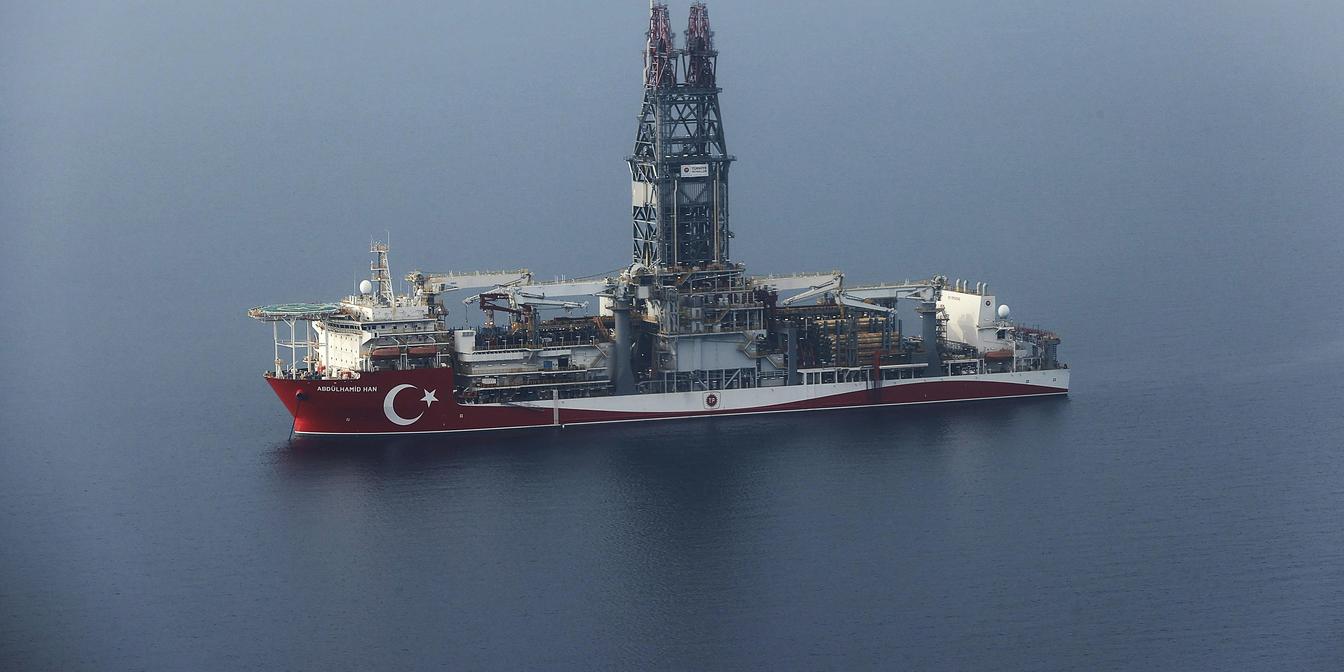
The most important development is the continued strain around the Strait of Hormuz, a critical route for global oil and gas shipments. Recent reports said Iran’s central bank confirmed transit-fee revenue from vessels was deposited in cash, while Iranian officials warned that passage through the waterway could be restricted. At the same time, the U.S. military has reportedly increased mine-clearing activity and taken action against vessels linked to Iranian oil smuggling.
For a broader view on the same route risk, see Strait of Hormuz tensions.
Why the Oil Market Is Reacting
Oil prices tend to respond quickly when shipping lanes, sanctions, or military posturing threaten supply. The Strait of Hormuz is especially sensitive because even the threat of disruption can affect freight costs, insurance premiums, and near-term availability expectations. That helps explain why WTI was reported up 3.80% at $95.45 in the latest update.
For another read on the crude tape, the WTI and Brent outlook offers useful context. Higher oil also feeds into oil shock and tensions across currencies and the dollar.
Elsewhere, the European Union’s 20th sanctions package against Russia added more pressure to the broader energy backdrop. The measures target Russian energy exports, banks, crypto-related circumvention channels, and shipping infrastructure tied to the shadow fleet. For oil traders, that combination of sanctions and Middle East tension supports a firmer short-term price structure.
What Traders Should Watch Next
In the short term, the market will likely stay highly sensitive to any headline that changes the outlook for shipping through the Strait of Hormuz or the direction of U.S.-Iran talks. A credible de-escalation could ease the risk premium, but any setback in diplomacy may keep crude bid and amplify volatility.
Risk-sensitive markets are already reflecting the same backdrop, including safe-haven demand in gold. Traders should also pay attention to the upcoming U.S. Michigan sentiment and inflation expectation releases. While these are not oil-specific, they can influence the U.S. dollar and broader risk appetite, both of which can shape energy price momentum.
Trading implications for WTI
The current setup favors volatility-friendly strategies rather than complacency. If geopolitical pressure remains elevated, WTI may continue to attract buying interest on dips. If tensions ease, some of the recent premium could unwind quickly. This is the kind of environment where many traders use a trade assistant or automated trading workflow to monitor headlines and react faster to sudden market shifts.
For traders looking to stay organized across fast-moving news cycles, a disciplined approach matters more than ever. Risk management, position sizing, and event awareness are essential when oil is driven by geopolitics rather than only by fundamentals. For additional stress signals, watch credit spreads as a guide to broader market sentiment.
For more market coverage and tools, visit PlayOnBit. If you want to follow macro-driven setups more efficiently, try the AI trading bot at PlayOnBit and keep your trading process ready for the next shock.