Stop-Losses Explained: Hard Stops, Trailing Stops, and Common Mistakes
Definition
A stop-loss is an order or rule that closes a trade when price reaches a chosen level of loss. In simple terms, it is a built-in exit point that helps limit downside if the market moves against you. Traders use stop-losses in forex trading and crypto trading to keep losses from becoming larger than planned.
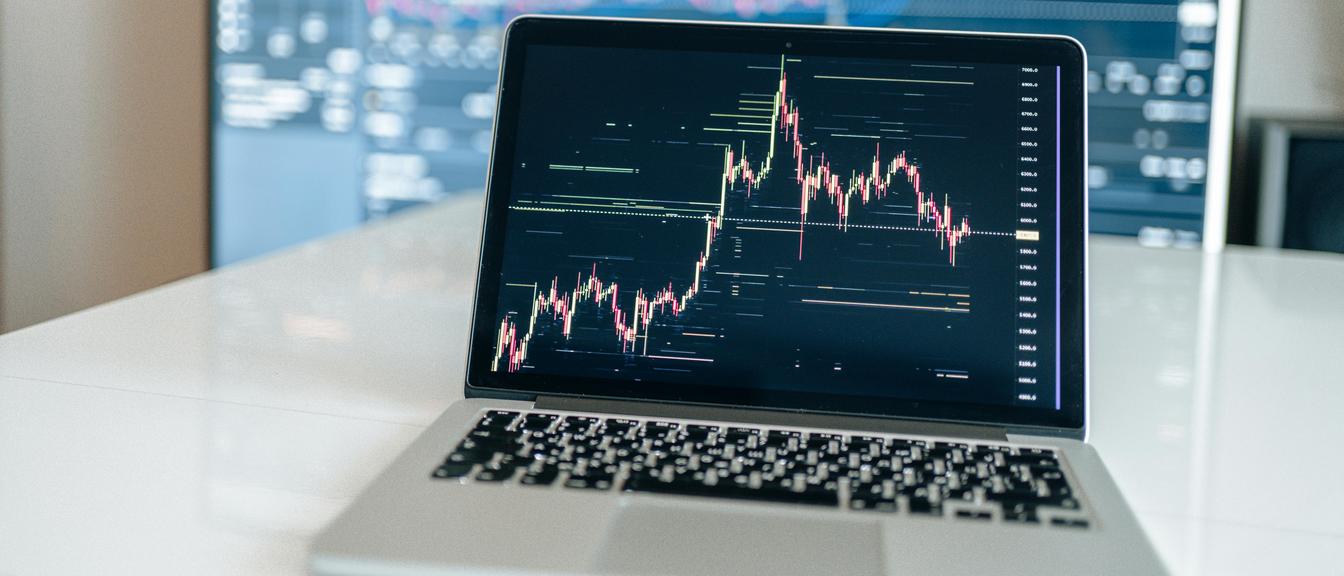
A hard stop is a fixed price level where the position is exited automatically. A trailing stop moves with price once the trade is profitable, helping protect gains while still giving the trade room to continue. Both approaches are common in manual trading and can also be part of automated trading systems.
Why it matters for markets
Stop-losses matter because markets can move quickly and unpredictably. In forex trading, prices can react to economic data, central bank comments, or sudden changes in risk sentiment. In crypto trading, sharp swings can happen even faster because liquidity and sentiment can change in minutes.
In fast-changing conditions, a risk-off framework can help traders judge when wider stops may be needed. Policy language such as forward guidance can also move prices quickly and trigger stop-loss orders.
Without a stop-loss, a small mistake can turn into a much larger drawdown. A clear exit level helps traders stay consistent, manage position size, and avoid emotional decisions. This is especially useful when using a trading bot or an AI trading bot, because the system can follow predefined rules without hesitation.
How traders use it
Traders often place a stop-loss at a level where their original trade idea is no longer valid. For example, if a long trade is based on a support zone, the stop may sit just below that area. If the market breaks that level, the setup may no longer be strong enough to stay in the trade.
A practical reference point is a key support levels breakdown, where the invalidation point is clear and the trade thesis weakens. In active markets such as the London session, volatility can expand quickly, so stop placement often needs to account for wider intraday swings.
Another common method is using volatility to decide distance. A very active market may need a wider stop so normal price noise does not trigger it too soon. A calmer market may allow a tighter stop, but traders still need enough room for the trade to breathe.
Trailing stops are often used when traders want to lock in profits while staying open to further upside or downside movement. Once price moves in the desired direction, the stop follows at a set distance or by a rule such as a percentage or indicator level. This can be useful in both manual trading and automated trading, especially when the trader cannot watch the chart all day.
Examples
In forex trading, imagine buying EUR/USD after price bounces from support. A trader might place a hard stop below the support zone so that if the level fails, the loss is contained. If price moves higher, a trailing stop could later be used to protect part of the gain as the trend develops.
In crypto trading, suppose a trader buys Bitcoin after a breakout above resistance. The stop-loss may go just below the breakout area, because a return under that level may signal a failed move. If the trade rises strongly, a trailing stop can help preserve profits during a volatile pullback.
When crypto moves are sharp, crypto liquidations can accelerate losses if stops are absent or placed poorly. That is why many traders define exits before entry rather than reacting after price starts moving against them.
Another example is a trader using a trading bot to manage entries and exits on an exchange. The bot can place a stop-loss immediately after entry, which removes delays and helps keep rules consistent. An AI trading bot may also adjust exits based on pre-set logic, but the trader still needs to decide the risk level in advance.
If you want a system-oriented workflow, a trade assistant can help reinforce consistent exit rules alongside manual decision-making.
Common mistakes
One common mistake is placing the stop-loss too close to the entry. In fast markets, normal noise can trigger a small loss even when the original trade idea is still valid.
Another mistake is placing the stop too far away. This can make the loss much larger than planned and can distort risk-to-reward calculations before the trade even begins.
Some traders move the stop farther away after the trade starts losing. This often comes from emotion rather than strategy and can turn a manageable loss into a much bigger one.
Another problem is using the same stop distance for every market. Forex pairs and crypto assets can have very different volatility, so a one-size-fits-all approach usually leads to poor results.
FAQ
What is the difference between a hard stop and a trailing stop?
A hard stop is fixed at one price level and does not change unless the trader changes it. A trailing stop moves as price moves in the trade’s favor, which can help protect profits while still allowing the position to continue.
Should every trade have a stop-loss?
In most cases, yes. A stop-loss helps define risk before entering a trade, which is a core habit in responsible forex trading and crypto trading. Even traders who use a trading bot often set stops to avoid oversized losses.
How far should a stop-loss be from the entry?
There is no universal distance. The best placement usually depends on market structure, volatility, and the trade setup itself. Many traders choose levels where the trade idea becomes invalid rather than using a random number of pips or percentage points.
Can a stop-loss guarantee no loss at all?
No. A stop-loss limits risk, but it cannot remove it completely. In fast or thin markets, execution may differ from the exact stop price, especially during sudden moves or gaps.
How do stop-losses help with automated trading?
They give the system a clear exit rule that can be followed consistently. This is useful for automated trading because it reduces hesitation, supports disciplined risk management, and helps the strategy stay repeatable over time.
Conclusion
Stop-losses are not about being perfect; they are about being prepared. A good stop-loss plan helps traders manage losses, protect capital, and stay consistent across changing market conditions. Whether you trade manually or use a trading bot, defining your exits before entry can improve discipline and reduce emotional mistakes. For more practical forex trading and crypto trading education, visit PlayOnBit.