FX Liquidity Explained: Why Spreads Widen and Slippage Happens
Definition
FX liquidity is the ease with which a currency pair can be bought or sold without causing a large move in price. In simple terms, it reflects how many buyers and sellers are active at the same time. When liquidity is high, orders usually match quickly and pricing is more stable. When liquidity is low, even a modest order can move the market more than expected.
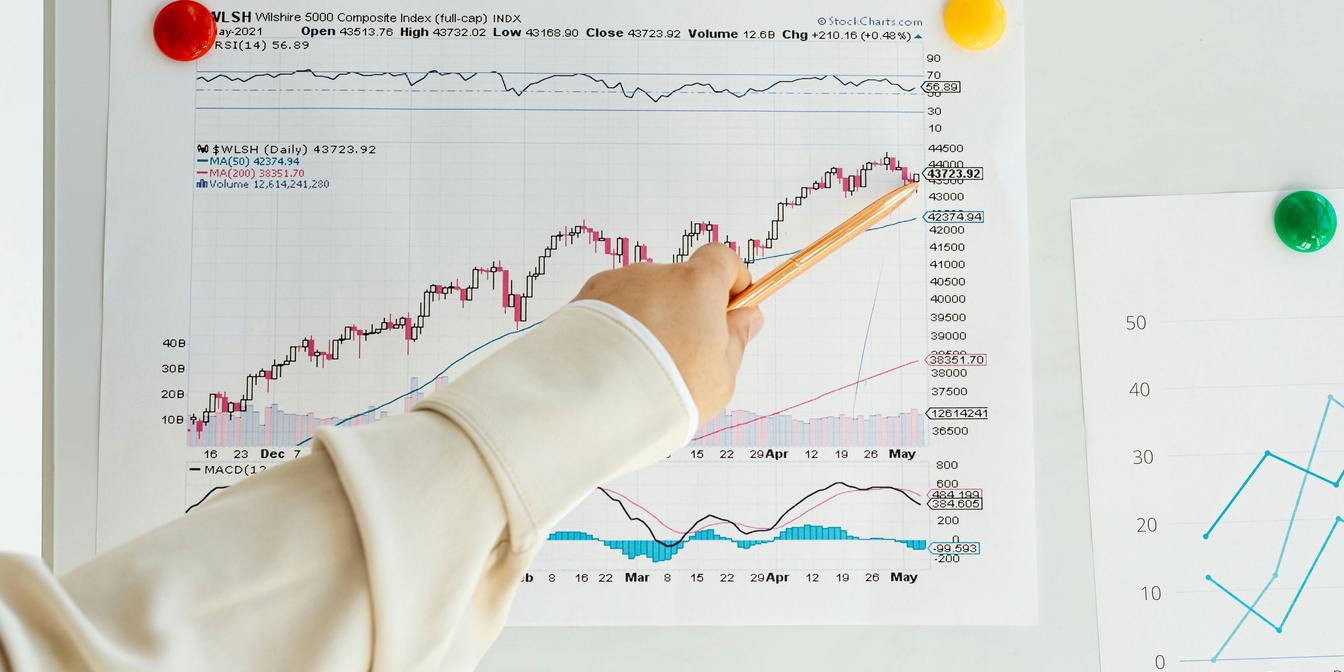
For traders, liquidity is one of the hidden forces behind execution quality. It affects whether a trade fills near the quoted price, how wide the spread becomes, and how much slippage you may experience. This is true in forex trading and also in crypto trading, where liquidity can change sharply across exchanges and time zones. Related market drivers often include Fed balance sheet changes and other liquidity shifts.
Why it matters for markets
Liquidity shapes how smoothly a market functions. In liquid markets, large institutions, market makers, and active traders continuously provide quotes, which helps keep spreads tight. In less liquid conditions, fewer participants may be willing to quote prices, so the spread can widen and fills can become less predictable.
That matters because spread and slippage are part of transaction cost. A strategy that looks profitable on paper can become less attractive if it pays more in execution costs than expected. This is especially important for short-term forex trading and for crypto trading during volatile sessions or around major announcements. Price shocks from forward guidance and CPI releases can make those costs rise fast.
How traders use it
Reading market conditions
Traders often check liquidity before placing orders by looking at trading hours, market session overlap, and the recent behavior of spreads. The goal is to trade when there are enough participants to absorb orders efficiently. A tight spread is often a sign of better conditions, though it does not guarantee a perfect fill. Timely macro events such as jobless claims can change those conditions quickly.
Choosing order types
Market orders prioritize speed, but in thin liquidity they can suffer more slippage. Limit orders can help control the price, although they may not fill at all if the market moves away. This decision is important for discretionary traders and for automated trading systems that need consistent execution rules.
Adapting automated systems
A trading bot or AI trading bot should not only look for entry signals, but also consider spread, volatility, and expected slippage. In automated trading, a strategy may need filters that avoid low-liquidity periods or large news events. That does not make the system perfect, but it can reduce unnecessary execution risk. Systems trading majors like USD/JPY also need to consider rate-sensitive conditions such as BoJ yield curve control.
Examples
Example one: A trader buys EUR/USD during the London and New York overlap. Liquidity is often deeper at that time, so the spread is usually tighter and the trade is more likely to fill close to the expected price. The same strategy used late on a quiet Friday may face wider spreads and weaker fills.
Example two: A crypto trader buys a smaller altcoin on an exchange with limited volume. The visible price may look attractive, but the order book can be thin, so the actual fill may be worse than expected. In this case, slippage can be larger than in a major forex pair because crypto trading liquidity may be uneven across venues.
Example three: A news release hits the market and a forex trading system sends a market order into EUR/USD. Liquidity can disappear for a moment as participants pull quotes or adjust risk, causing a wider spread and a less favorable fill. The same effect can happen in automated trading if the system trades too aggressively during fast price changes. Broader funding stress, including shifts in carry trade positioning, can also add pressure.
Common mistakes
One common mistake is assuming that a tight spread always means safe execution. The spread can look normal at one instant and still widen quickly when conditions change. Traders should think about liquidity across the whole trading window, not just at the moment of entry.
Another mistake is using market orders everywhere without considering slippage. Market orders are convenient, but in thin or volatile conditions they can pay a hidden cost. This becomes more noticeable in crypto trading and around major economic releases in forex trading.
A third mistake is forgetting that automated trading systems need execution rules, not only signal rules. A trading bot may identify a valid setup, but poor liquidity can still turn the trade into a weaker one. A well-designed AI trading bot should account for realistic fills, not just theoretical prices.
A fourth mistake is ignoring venue differences. In crypto, one exchange may have much better depth than another, and in forex different brokers may show different spreads. Traders should compare conditions instead of assuming every market source behaves the same way. Rate and duration sensitivity can also matter, so readers may want to review duration risk when connecting liquidity to broader market moves.
FAQ
What is the difference between spread and slippage?
The spread is the difference between the bid and ask price at the moment you trade. Slippage is the difference between the price you expected and the price you actually received. Both are related to liquidity, but they are not the same thing.
Why do spreads widen during news events?
During major news, uncertainty rises and some liquidity providers reduce their quotes or widen pricing to manage risk. That makes it harder for orders to match at the usual level. As a result, traders may see wider spreads and more slippage.
Can limit orders prevent slippage?
Limit orders can reduce slippage because they set a maximum or minimum acceptable price. However, they may not fill if the market does not reach that price. They help with price control, but they do not guarantee execution.
Is liquidity more important in forex or crypto?
It matters in both markets. Major forex pairs often have deep liquidity, while many crypto assets can vary a lot by exchange, time of day, and token size. Traders should check liquidity conditions for the specific instrument they want to trade.
How can an automated system handle low liquidity?
An automated system can use spread filters, time filters, and volatility checks before sending an order. This helps avoid trading when conditions are poor. Whether it is a simple trading bot or a more advanced AI trading bot, execution controls are essential.
Conclusion
FX liquidity is one of the most practical ideas in market education because it helps explain spreads, slippage, and execution quality. Once you understand it, you can make better decisions about timing, order type, and risk management. That knowledge is useful for discretionary traders and for anyone building or using automated trading systems.
For more clear, evergreen lessons on forex trading and crypto trading, explore trade assistant, forex trading bot, and PlayOnBit as you keep building a stronger trading foundation.