Bitcoin Holds Near $72K as Inflation and Iran Risk Keep Crypto Volatile
Bitcoin Holds Near $72,000 as Macro and Geopolitical Risks Stay Elevated
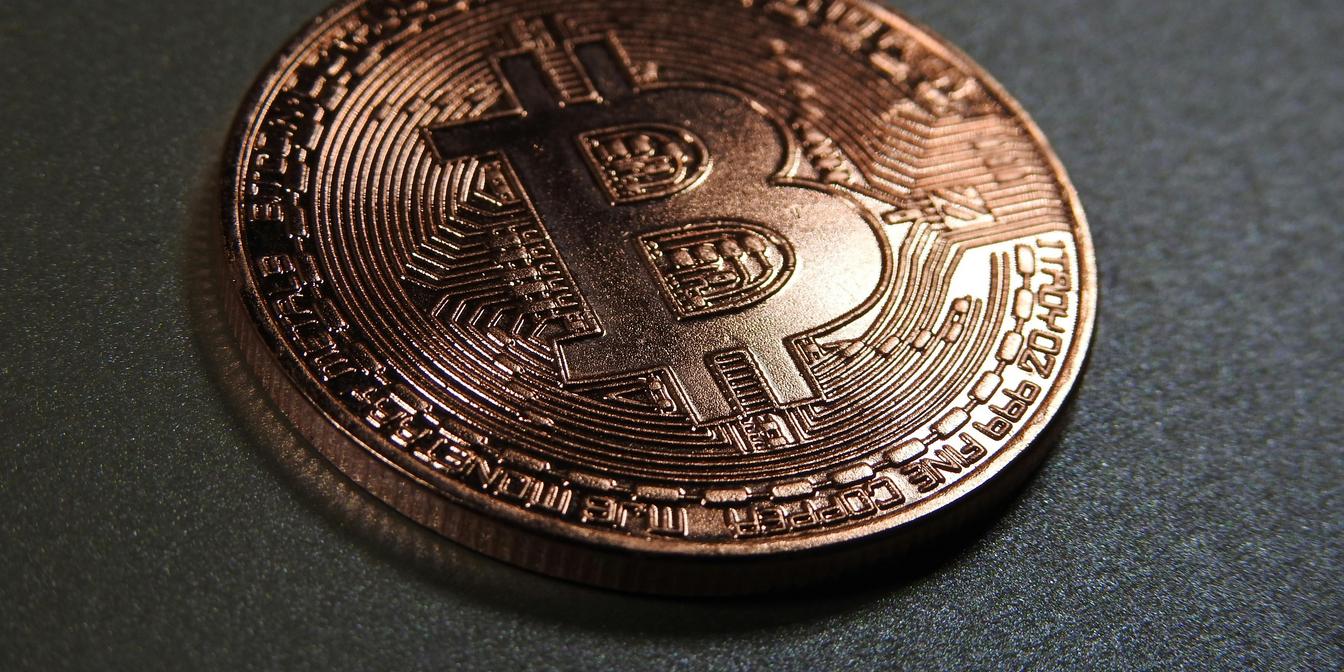
Bitcoin is trading around $72,000 after recovering modestly from recent weakness, but the backdrop remains unstable. A fragile Iran ceasefire, higher U.S. inflation, and the upcoming SEC CLARITY Act roundtable are all influencing near-term sentiment across crypto markets.
Why Bitcoin Is in Focus Right Now
The most important driver this week is macro uncertainty. U.S. March CPI rose 3.3% year over year, the highest in nearly two years, and monthly inflation jumped 0.9% as gasoline prices surged after the Iran conflict intensified. That keeps the Federal Reserve cautious on rate cuts, which can support the U.S. dollar and keep risk assets choppy. For a deeper look at the inflation backdrop, see our CPI data guide and the article on sticky inflation.
At the same time, the ceasefire between the U.S. and Iran remains fragile. Reports of ongoing disruption in the Strait of Hormuz have kept oil markets elevated and added another layer of volatility for traders across equities, commodities, and crypto. In this environment, Bitcoin is behaving like a risk asset with strong event-driven sensitivity. Related coverage on Iran tensions, rising oil prices, and the broader oil shock explains why this backdrop is keeping volatility elevated.
BTCUSD Levels Traders Are Watching
Bitcoin’s recent move toward $72,000 came with improving short-term sentiment, but the market is still treating $68,000 to $70,000 as the key support zone. A firm hold above that area would suggest buyers are still defending the trend. A break below it could invite another wave of downside as traders rotate back into cash and safe havens.
The launch of Morgan Stanley’s MSBT Bitcoin Trust on NYSE Arca also matters for sentiment. The fund’s low fee and reported first-day inflows show that institutional access to Bitcoin continues to broaden, even as volatility stays elevated. That does not guarantee immediate upside, but it does reinforce the longer-term adoption narrative. Traders tracking nearby structure can also review Bitcoin’s $71k zone and the broader view on Bitcoin and Fed signals.
What Could Move Bitcoin Next
For now, Bitcoin’s next direction depends heavily on whether geopolitical tensions ease and whether macro data continues to pressure the Fed’s timeline for easing. If the Iran ceasefire holds and risk appetite improves, BTCUSD could extend its recovery. If the situation deteriorates, or if inflation remains sticky, the market may retest support quickly.
Regulation is another catalyst worth watching. The SEC’s CLARITY Act roundtable scheduled for April 16 could help shape expectations around digital asset oversight. Treasury’s recent stablecoin guidance also adds to the policy backdrop, especially for broader crypto trading conditions and liquidity. For more on policy transmission, read about market liquidity and how it affects risk assets.
Bottom Line
Bitcoin remains constructive above support, but the trend is still vulnerable to headline risk. Traders should expect volatility to stay elevated while oil prices, inflation, and Washington’s crypto policy debate remain in focus. For active crypto trading, this is exactly the kind of environment where disciplined risk management matters most.
If you want to follow these moves with automation, explore the tools at PlayOnBit, review the Trade Assistant, and try the Bitcoin Trading Bot for a more systematic approach to market timing.
Stay alert and manage risk carefully as crypto markets react to fast-changing headlines.